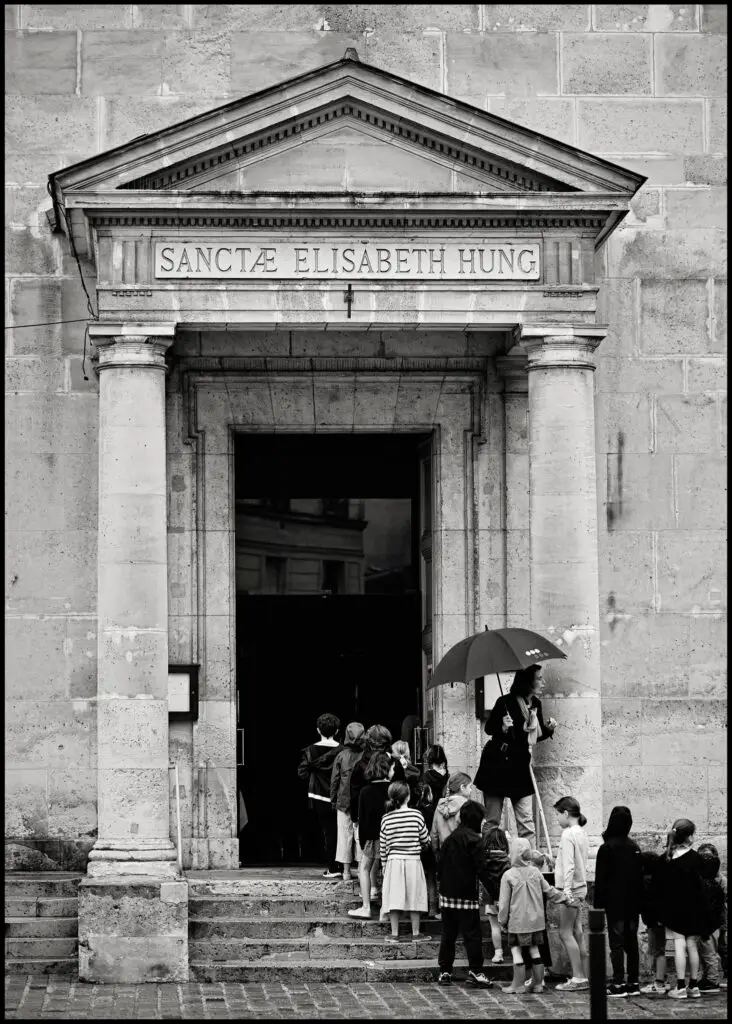
Moving to a new city with kids can be challenging—especially when it comes to finding the right school for your children, especially when a big transition year like CP, 6ème, or lycée suddenly looms.
Versailles is an incredible place to raise kids. Education is taken seriously here, and families genuinely have options—whether you’re firmly in the public school camp, prefer private, are looking for bilingual support, or want a fully international path. From elementary through high school, it’s all here.
For a comprehensive deep-dive into how the French education system actually works, check out the AAWE Guide to Education in France (written by a local mom who really knows her stuff).
What I’m sharing below is the local, insider perspective—the real talk about sending your kids to school in and around Versailles, based on more than a decade of experience raising my own four kids here.
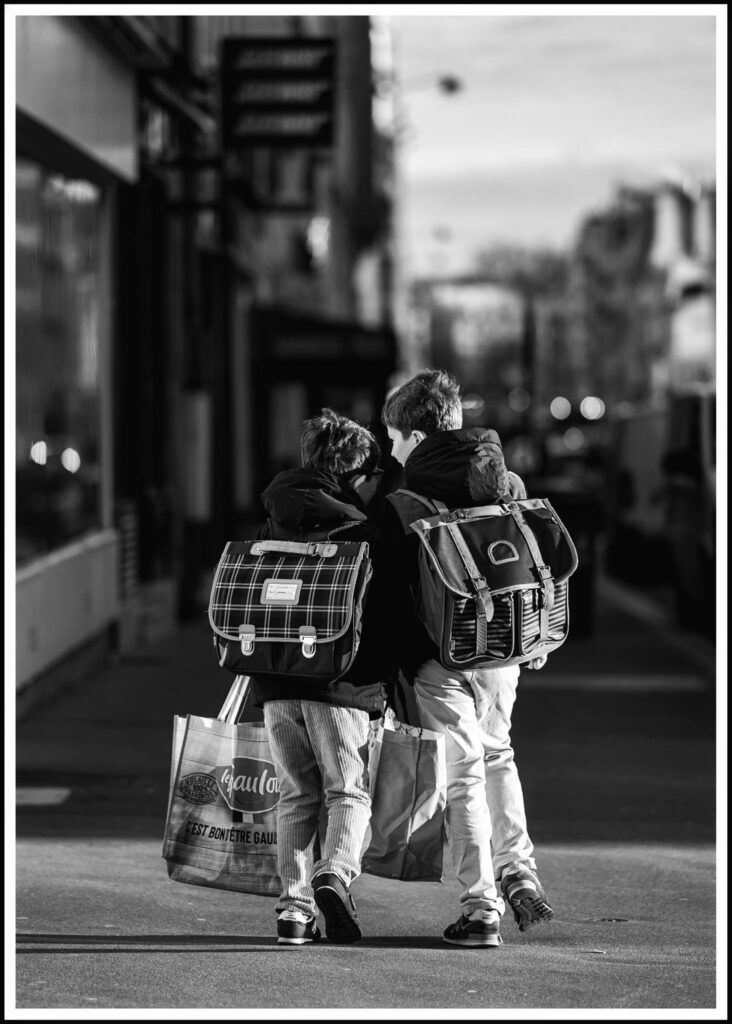
Types of Schools in Versailles
Public Schools: High Standards Across the Board
Versailles is known for its excellent public schools. Many parents recommend enrolling children in the public system unless there are specific language or religious needs. Schools like École St. Pierre and local maternelles and primaries in neighborhoods like Montreuil, Notre Dame, and Saint Louis consistently receive praise for their quality of education and sense of community.
Private Schools: A Range of Options
Most private schools in Versailles have a Catholic foundation. Saint Jean Hulst is a popular choice for its academic rigor, though its traditional French pedagogy may not suit every child. Sacre Coeur in Saint Louis is another well-regarded private school, known for its strong English program and more flexible approach to education.

Bilingual and International Schools
If you’re looking for bilingual or English-focused education, there are a few key options:
The Best Bilingual and International Schools in Yvelines and West of Paris
If you’re looking for bilingual or international schools in the Yvelines department or the western suburbs of Paris, you’re in luck. This region offers a wide range of top-tier educational institutions catering to expatriates, international families, and local students seeking a bilingual education. From renowned international programs to immersive bilingual curriculums, here’s a guide to the best schools in the area, listed by age group.
Elementary Schools
1. OurSchool – International Bilingual Education
Location: Versailles, France
Age Range: 3 to 11 years
An English school option that many international families consider when settling in the area, OurSchool often comes up for parents looking for a more structured, school-based bilingual environment. The school is known to funnel into the Sacré-Cœur International Section (though it’s important to note it’s not the only route in).
One small—but important—caveat for families with children in maternelle:
Children generally need to be enrolled in private school to attend OurSchool during school hours (which means applying to local private schools in September or October of the year before your child starts). Otherwise, attendance depends on whether the administrators at your sectorized public maternelle are willing to take a flexible view on authorized absences—which isn’t guaranteed.
To share my own experience: we ultimately had to step away from OurSchool because our children were in public school, and absences for the program weren’t approved. That said, this did not prevent us from later accessing the international section at Sacre Coeur in 6ème, which is worth keeping in mind for families planning longer-term.
Also worth noting that the headmaster of the OurSchool program has a reputation among parents for an abrasive and dismissive communication style. Be warned.
2. Blanche de Castille – International Program
Location: Le Chesnay, France
Age Range: 3 to 18 years
A well-regarded private Catholic school with an International Section that provides an advanced bilingual program for students who wish to excel in both English and French.
To share my own experience: we loved the great energy from the staff and small classes at this school. That was enough for us to overlook the fact that the head of the English section is not a native-English speaker.
3. École Internationale Bilingue (EIB) de La Jonchère
Location: La Celle-Saint-Cloud, France
Age Range: 3 to 15 years
A private bilingual school offering a curriculum where students split their learning time equally between French and English. The school provides a strong academic foundation with an emphasis on cultural diversity and critical thinking.
4. École élémentaire Louis Clément
Location: Buc, France
Age range: 6 to 11 years
A public primary school in Buc offering an official Anglophone international section from CP through CM2. The program provides reinforced English within the French state system and is accessed via entrance testing. It’s often chosen by families seeking a bilingual public-school pathway that continues on to international sections at collège and beyond.

5. Malherbe International School
Location: Mareil-Marly, France
Age Range: 2 to 11 years
A small, private bilingual school offering a British-style curriculum in English while integrating French instruction. The school emphasizes personalized learning in a multicultural environment.
6. Forest International School Paris
Location: Mareil-Marly, France
Age Range: 2 to 14 years
Known for its unique nature-based approach, this bilingual school combines academic excellence with outdoor learning. It provides an international curriculum in English and French.
Jr. High / Middle Schools (Collège)
1. Sacré-Cœur Collège
Location: Versailles, France
Age Range: 11 to 15 years
A private Catholic school, Sacré-Cœur Collège offers a bilingual and international section that fosters linguistic proficiency and cross-cultural understanding. It provides high-quality education rooted in strong academic values.
High Schools (Lycée)
1. Lycée Franco-Allemand de Buc
Location: Buc, France
Age Range: 11 to 18 years
Lycée Franco-Allemand (LFA) – Buc is a public bilingual secondary school serving students from collège through lycée (roughly ages 11–18). Its core focus is French–German bilingual education, making it a strong option for families seeking a dual-national academic pathway within the French public system.
The school offers an Anglophone International Section only from seconde (2nde) at lycée level. Students in this track can prepare for the Baccalauréat Français International (BFI). The French–German Abibac remains the school’s main historical pathway.
For families planning earlier, the nearby École élémentaire Louis Clément (Buc) offers an Anglophone international section starting in CP, providing a natural preparation route for international or bilingual studies later on.
2. Lycée Notre Dame du Grandchamp
Location: Versailles
Age Range: 15 to 18 years
Notre-Dame du Grandchamp follows on naturally from Collège du Sacré-Cœur in the Saint-Louis quarter and is a common next step for families continuing along a bilingual or international pathway. The lycée offers strong English options, including an international section with consistently good results in the BFI (Baccalauréat Français International), as well as European sections for students seeking an enhanced English curriculum within the French system.
3. Notre-Dame International High School
Location: Verneuil-sur-Seine, France
Age Range: 15 to 18 years
This private American international boarding school provides an English-based curriculum leading to an American high school diploma while incorporating French language and culture into student life.
- High-Quality Education – Many of these schools follow prestigious international curricula such as the International Baccalaureate (IB), the French Baccalauréat International (BFI), and the American or British educational models.
- Cultural Diversity – Students benefit from multicultural environments, fostering global awareness and language skills.
- Future Opportunities – A bilingual education opens doors for higher education in top universities worldwide.
- Tailored Learning Approaches – These schools often provide personalized learning paths suited to expatriate children and international families.
How to Apply to a Bilingual or International School
- Contact the school early – Admission processes vary, and spaces can be limited. Many programs have applications before Christmas.
- Check language requirements – Some schools require students to have a certain proficiency level in French or English before enrolling.
- Prepare for assessments – Many international programs have entrance exams or interviews.
Montessori Schools
When selecting a Montessori school, consider factors such as the school’s adherence to Montessori principles, teacher qualifications, bilingual offerings, and the learning environment. Visiting the schools and speaking with educators can provide valuable insights to help you make an informed decision for your child’s education.
If you’re considering Montessori education in Versailles, France, here are some notable options:
École Bilingue Maria Montessori (EBMM) – Versailles (Montreuil)
Established in 1988, EBMM offers bilingual education for children aged 2 to 11. It adheres to Montessori principles, has multi-age classrooms, and focuses on individualized learning.
We Love Mômes Montessori School – Versailles (Porchefontaine)
Located in the Porchefontaine area, this school provides bilingual Montessori education for children aged 2.5 to 10, emphasizing eco-friendly values with facilities like an urban garden.
Guidepost Montessori – Vélizy
A bilingual Montessori school near Versailles, offering programs for children aged 2 to 6, focusing on hands-on learning and independence.
Montessori 21 – Chaville
Founded in 2018, is a bilingual and multicultural Montessori school for children aged 2 to 11, offering a nature-connected learning environment.
You can use the map below to discover the location of the schools mentioned in this article.
Neighborhoods and Schools: Where to Live?
When choosing a school, proximity can play a significant role. Families often select their homes based on access to schools and transport:
- Notre Dame and Saint Louis: Central, walkable neighborhoods with access to great schools, markets, and cultural spots. Popular with families for their convenience and charm.
- Montreuil: A quieter, family-friendly area with well-rated schools and good transport links.
- Chantiers: Opinions vary. Some find the area near the station practical and affordable, while others recommend avoiding parts further south.
- Glatigny: A bit further from the center, but quieter and more residential, making it ideal for families with cars or bikes.
Extracurricular Activities and Family Life
Versailles provides ample opportunities for children to engage in sports and cultural activities. Many schools incorporate swimming, judo, and yoga into their programs, and the city itself offers playgrounds, public pools, and seasonal events for children.
Additionally, the vast gardens of the Château de Versailles are an unmatched resource for outdoor play, whether it’s biking, scootering, or simply exploring nature.
Living Without a Car
Many families in Versailles live comfortably without a car, thanks to the city’s excellent public transport system and direct commutes to central Paris. Neighborhoods like Notre Dame and Saint Louis are particularly pedestrian-friendly, with quick access to grocery stores, markets, and parks.
Conclusion: Tailoring Your Choice
Ultimately, the best school for your child depends on your family’s priorities—be it bilingual education, academic rigor, or a strong community feel. Versailles offers a diverse range of options to suit different needs, and its compact, well-connected layout ensures that wherever you live, quality education is within reach.
If you’re new to Versailles or considering a move, don’t hesitate to reach out to the friendly expat and local communities for advice. For questions or advice join our active Facebook Community here. Whether it’s navigating entrance exams or finding the perfect quartier, the shared wisdom of other parents can be invaluable.