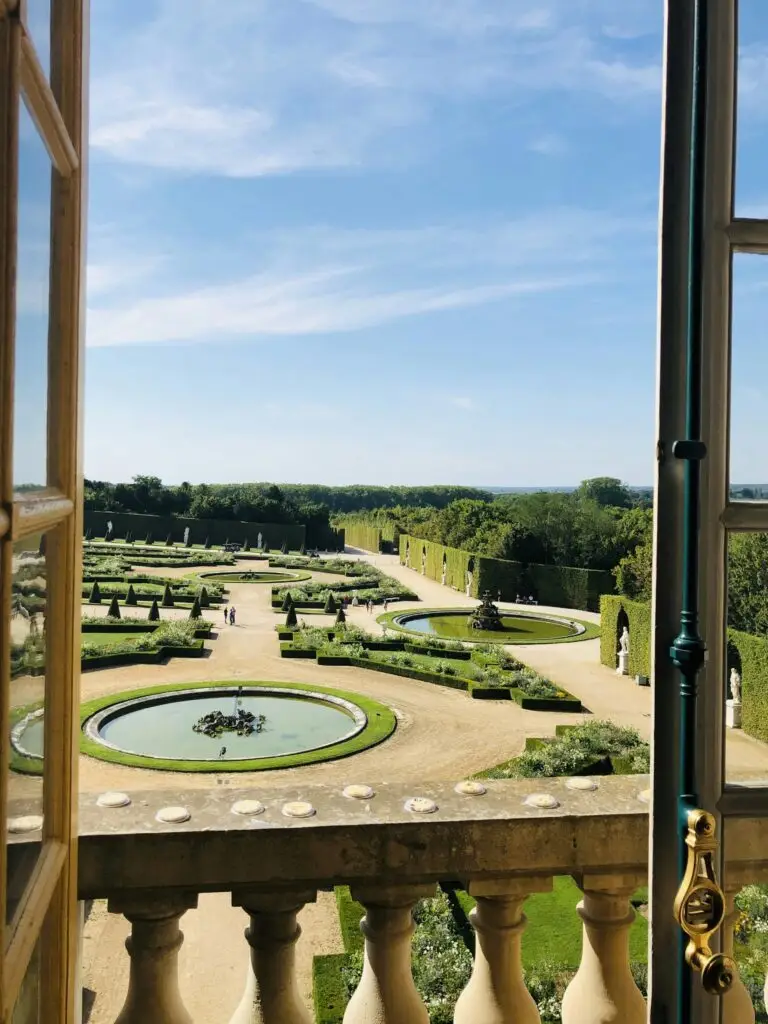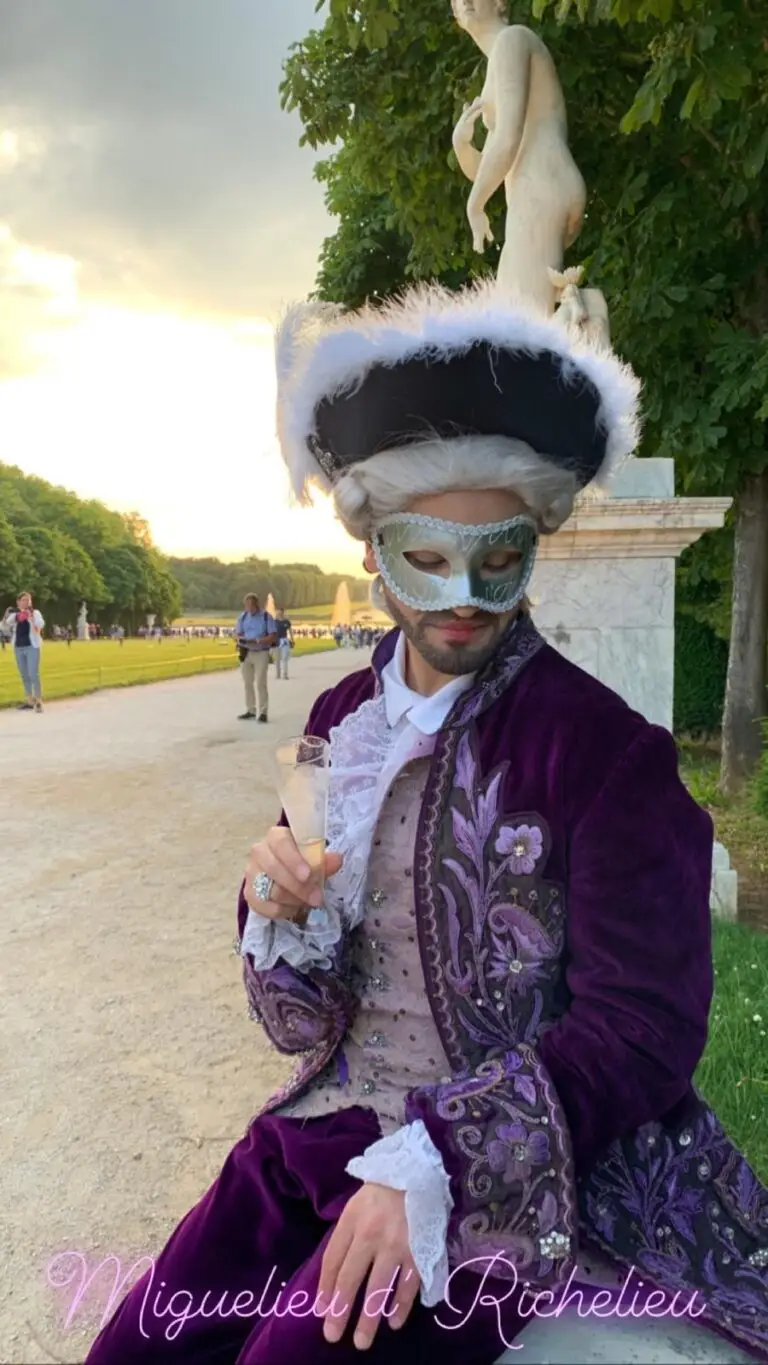

The Versailles gardens and art form a living canvas where geometry, mythology, and engineering meet to create one of Europe’s most extraordinary landscapes. From André Le Nôtre’s sweeping axial designs to the mythic sculptures and lavish fountains that punctuate every vista, visitors encounter a mixture of art, politics, and spectacle that defined the French Baroque. This article walks through the gardens’ history, design, art, seasonal life, and practical tips for making the most of a visit — including ways Welcome to Versailles helps travelers experience the best of Versailles, from the Fountain Shows to the Masked Ball.
Why the Gardens Matter: Power, Prestige, and Nature Sculpted
The gardens at Versailles weren’t just ornamental landscaping; they were an extension of royal authority. Louis XIV used the gardens to stage his equivalent of political theater, turning nature into a symbol of absolute monarchy. Every vista, axis, and statue underscored the king’s control over land, water, and the arts.
Visitors who wander the parterres and groves are walking through a carefully choreographed message: geometric order equals political order. Behind that message lies a remarkable achievement of design and engineering — hydraulics that sent hundreds of fountains springing to life, sculptors shaping allegories out of stone, and gardeners maintaining endlessly complex displays. The result is an immersive environment where art and landscape are inseparable.
The Historical Canvas: How Versailles Took Shape
From Hunting Lodge to Royal Estate
Versailles began life as a modest hunting lodge for Louis XIII in the early 17th century. Under Louis XIV, it transformed into the epicenter of French court life. Architects, painters, sculptors, and gardeners were recruited to turn the grounds into a theatrical stage for royal power. Key figures included the garden designer André Le Nôtre, the architect Jules Hardouin-Mansart, and a host of artists who supplied sculptures and decorative elements.
Le Nôtre’s Vision: Order, Geometry, and Long Vistas
André Le Nôtre introduced a rigorous system of axial lines, symmetry, and perspective. The main axis stretching out from the palace creates a sequence of increasingly elaborate scenes — terraces, parterres, fountains, and finally, the Grand Canal. The layout encourages movement and surprise: each turn reveals a new ensemble, often framed by trees or statuary, designed to prolong the sense of awe.
Art as Propaganda
Sculpture and painting in the gardens weren’t merely decorative. They celebrated classical themes that flattered the monarchy — Apollo (the Sun King) is an obvious example — and reinforced dynastic continuity. Statues, bas-reliefs, and large-scale allegorical groups were commissioned to communicate messages about strength, wisdom, and divine right.
Key Elements of the Gardens: What to See and Why
The Parterres and Axes
The parterre (ornamental garden beds arranged in symmetrical patterns) directly in front of the palace is the immediate stage for the building’s façade. Walk down the main axis and notice how terraces and alignment guide the eye toward the horizon. For first-time visitors, this is where the “big picture” of Versailles becomes clear — it’s garden design as imperial theater.
Fountains and Hydraulic Wonders
The fountains at Versailles were technological marvels. Early modern engineers devised complex reservoirs, channels, and pumping systems to supply water to hundreds of jets. The Latona Fountain, the Apollo Fountain, and the extensive Neptune Fountain showcase both artistic ambition and hydraulic mastery.
Fountain shows, especially the Musical Fountain Shows (Les Grandes Eaux Musicales), animate these features with period music. Watching the jets synchronize with 17th-century tunes highlights how sound and movement were woven into garden spectacles.
Bosquets, Groves, and Intimate Rooms
Le Nôtre created small, enclosed garden “rooms” called bosquets that offered privacy and surprise. Each bosquet often had a unique theme, with fountains, statues, or grottoes as focal points. These spaces were places to promenade, conduct private conversations, or stage smaller theatrical performances — they’re delightful to explore because of their intimacy compared with the grand parterres.
The Grand Canal
The Grand Canal stretches westward from the palace and was designed for both visual drama and leisure. Louis XIV would stage naval pageants and boating parties here, a reminder that even water was part of courtly spectacle. Today, the canal offers picturesque reflections, boat rental in summer, and a long walk with multiple photo opportunities.
Orangerie and Gardens of the Trianon
The Orangerie houses citrus trees and delicate plants during winter, a status symbol of wealth and botanical expertise. Beyond the main gardens, the Grand and Petit Trianon and Marie-Antoinette’s Hamlet present contrasting styles — the Trianons are more intimate, personal retreats where the queen and the king escaped rigid court life. Marie-Antoinette’s English-style garden and the rustic hamlet reveal a yearning for pastoral simplicity that stood in sharp contrast to Versailles’ public grandeur.
The Art of Versailles Gardens: Sculpture, Painting, and Decoration
Sculpture as Storytelling
Sculptures in the gardens translate myth into physical form. Figures such as Apollo, Diana, and mythical river gods populate fountains and terraces. They’re not just ornamental — they’re visual narratives. For instance, Apollo’s central role in garden iconography ties directly to Louis XIV’s self-identification as the Sun King, providing a mythic template for statecraft.
Materials and Techniques
Garden sculptures were primarily executed in marble, lead, and stone. Lead statues, though less durable than marble, allowed for intricate detailing and were often painted in antiquity-inspired finishes. Sculptors like François Girardon and Antoine Coysevox produced works that combined classical restraint with Baroque dynamism.
Pavilions, Grottos, and Decorative Architecture
Small architectural features — pavilions, nymphaea, and grottoes — functioned as focal points and sensory highlights. They often contained frescoes, mosaics, or decorative statuary, blending architectural ornament with the natural setting. These elements invited visitors to pause, look closely, and enjoy the surprise of encountering art in the midst of greenery.
Experiencing the Gardens Today: Events, Shows, and Seasonal Highlights
Musical Fountain Shows (Les Grandes Eaux Musicales)
The Musical Fountain Shows recreate the garden as a dynamic stage. Water jets, cascades, and statues are choreographed to Baroque and classical music. These events are best seen from the Parterre or near the Latona Fountain, where the full range of hydraulics becomes apparent. Tickets are usually seasonal and often sell out, so planning ahead pays off.
Nighttime Fountain Shows and Illuminations
Night events, like the Jardins Musicaux Nocturnes, transform Versailles with lighting design and music. Illuminations highlight sculptural details and create dramatic silhouettes, turning familiar spaces into theatrical nocturnes. These evenings offer a wonderfully different perspective from daytime visits and are especially romantic for couples.
The Masked Ball and Special Events
Events such as the Masked Ball recreate courtly festivities with period costume, dancing, and theatrical spectacle. For visitors attending the Masked Ball, the gardens become a stage for a living history experience. Guides and practical tips from local sources cover everything for attending such events — from costume suggestions and ticket information to transport and nearby dining recommendations — making it easier for first-timers to immerse themselves fully in the spectacle.
Visiting Tips: Planning the Perfect Garden Day
When to Go
- Peak season (spring to early fall) offers full floral displays and active fountain schedules but comes with crowds.
- Weekdays in shoulder seasons (late spring, early autumn) combine good weather with fewer visitors.
- Early morning provides soft light for photography and cooler walking conditions, while evenings during light shows offer a magical atmosphere.
How to See It: Routes and Timing
A full exploration of the gardens can take a full day if combined with the palace, but focused routes work well:
- Half-day highlights: Parterres, Latona Fountain, Apollo Fountain, Grand Canal (walk west toward the Trianons).
- Full-day experience: Palace in the morning, gardens and grottoes in the afternoon, Musical Fountain Show or illumination in the evening.
- Family-friendly loop: Shorten distances with the Petit Trianon and the Queen’s Hamlet, plus a relaxed picnic near the Grand Canal.
Tickets and Fast-Track Options
Buy tickets online in advance for the palace and special fountain events. During high season, consider guided tours or priority access to avoid long lines. Welcome to Versailles lists curated ticketing options and reputable tour providers that help visitors make the most of limited time.
What to Bring
- Comfortable shoes — surfaces range from gravel to grass.
- A light rain jacket or umbrella — spring showers are common.
- Water and sun protection — there’s a lot of open space and limited shady benches in some areas.
- A compact guidebook or downloadable map — the property is vast; orientation helps.
Accessibility
The estate is large and includes uneven paths. Some areas are wheelchair-accessible, and there are assistance options for visitors with mobility issues. Advance planning ensures a smoother visit; Welcome to Versailles provides accessibility details and route suggestions tailored to different needs.
Photography and Art Appreciation Tips
The Versailles gardens and art are made for camera work, but composition benefits from thoughtfulness. Visitors should:
- Use the main axis for dramatic, symmetrical shots — early morning light is ideal.
- Capture details: close-ups of sculptural groups show craftsmanship that wide shots miss.
- Consider perspectives: low angles against fountains emphasize jets and leading lines.
- Look for contrast: manicured parterres against informal groves create visual tension worth photographing.
For art appreciation, take time with a single sculpture or fountain. Reading the short plaque texts and searching a little background online deepens appreciation — the mythological references often reveal political subtext linked to the monarchy.
Conservation, Restoration, and Why Maintenance Matters
Keeping the Versailles gardens pristine requires continuous, expert maintenance. Restoration projects tackle everything from fountain hydraulics to stone repair. These efforts are essential: fountains are mechanical systems subject to wear, sculptures weather over centuries, and plants require seasonal replanting to keep the historical designs intact.
Conservation teams aim to preserve authenticity while using modern methods for sustainability and longevity. Visitors who notice scaffolding or restricted areas are seeing conservation in action — these temporary inconveniences enable the long-term survival of the estate.
Stories and Anecdotes That Bring the Gardens to Life
Of Flooded Palaces and Floating Celebrations
Louis XIV’s court staged elaborate water parties on the Grand Canal, sometimes even floating small “navies” to impress ambassadors. These spectacles could be extravagant: musicians on barges, rowed processions, and fireworks — precursors to modern festival culture.
Marie-Antoinette’s Retreat
Yearning for privacy, Marie-Antoinette created the Hameau de la Reine (The Queen’s Hamlet) to mimic rural life. It featured a working farm, a mill, and small cottages — a kind of aristocratic pastoral fantasy that offered a stark contrast with life at Versailles. The hamlet reveals the queen’s personal taste and the complicated psychology of courtly life.
“Sculpture here isn’t just art; it’s speech carved in stone.” — A guide’s note that captures how the gardens communicated royal ideology.
Combining the Gardens with Other Versailles Highlights
A visit to Versailles should be holistic. The palace interiors, particularly the Hall of Mirrors and the State Apartments, complement the exterior program. Spend the morning indoors, admire paintings and tapestries, then step outside to see how the garden motifs echo or extend interior themes.
Nearby recommendations for a full-day itinerary:
- Morning: Palace tour (book a time slot to avoid lines).
- Lunch: Café near the Orangerie or a picnic with goods from local markets.
- Afternoon: Gardens, Trianon retreats, and the Queen’s Hamlet.
- Evening: Fountain Show or an event like the Masked Ball (seasonal).
How Welcome to Versailles Helps Visitors Experience the Gardens and Art
Welcome to Versailles specializes in curated information for exploring Versailles’ cultural riches. Visitors benefit from:
- Concise guides to events like the Masked Ball, with practical advice on tickets, costume norms, and logistics.
- Route suggestions for families, art lovers, and time-pressed travelers.
- Local tips on dining, transportation, and accessibility that avoid tourist pitfalls.
For example, a family planning to attend a Musical Fountain Show will find Welcome to Versailles’ suggested timelines useful: arrive early to secure a good viewing spot near the Latona Fountain, bring a picnic blanket for more comfort, and use the provided map to reach family-friendly restrooms and playground spots. The brand’s goal is to turn wonder into a well-planned, joyful experience.
Practical Info: Getting There and Around
Transport Options
- RER C train from Paris is the most common public transit option (get off at Versailles Château–Rive Gauche).
- Buses and regional tours provide direct transfers but vary by operator quality.
- Driving is possible, but parking can be limited; many visitors prefer public transit or organized tours.
Maps and Orientation Tools
Grab an official map upon arrival or download a digital map. Welcome to Versailles also offers curated printable maps and suggested walking routes tailored to different interests (e.g., sculpture-focused, family-friendly, or fountain highlights).
Family Visits: Engaging Young Minds
The gardens are surprisingly child-friendly. Open lawns, boats on the Grand Canal, and playful fountains invite exploration. A few tips for families:
- Plan for breaks — there are shaded areas and cafés for pit stops.
- Bring a simple scavenger hunt: find Apollo, a specific grotto, a favorite fountain — it turns walking into play.
- Consider guided family tours that include storytelling elements geared toward kids.
Local Cuisine, Picnics, and Dining Near the Gardens
Eating at Versailles can range from casual picnics by the canal to refined dining in nearby bistros. Local bakeries deliver excellent sandwiches and pastries for a picnic, while several restaurants in town offer traditional French cuisine. Welcome to Versailles includes dining recommendations that match different budgets and dietary preferences, helping visitors plan lunches that keep energy high for sightseeing.
Final Thoughts: Why the Gardens Endure
The enduring appeal of Versailles lies in its ability to combine art, architecture, landscape design, and engineering into a single, unforgettable experience. Each garden path and sculpted fountain tells a story about power, taste, and the pleasures of spectacle. Visitors who spend time with both the broad panoramas and the intimate bosquets find new discoveries at every turn.
For anyone eager to connect with history through sensory experience — the sound of water, the geometry of a vista, the face of a carved god — Versailles offers an unparalleled classroom and a timeless stage. Whether coming for the spectacle of the Musical Fountain Shows, the romance of the night illuminations, or the simple pleasure of a quiet afternoon by the Grand Canal, travelers leave with memories shaped as much by the gardens’ artistry as by the stories they embody.
Frequently Asked Questions
What are the best times to see the gardens at their most impressive?
Spring and early summer showcase full floral displays and active fountain schedules. Early morning offers quieter pathways and softer light for photos; evenings during illuminations provide a dramatic contrast and an intimate mood for visitors who prefer fewer crowds.
Are the fountain shows included with regular admission?
It depends on the event. Some musical fountain shows and nighttime illuminations require a separate ticket. Standard palace admission sometimes includes daytime fountain displays, but special events like the Grandes Eaux Nocturnes or the Masked Ball typically require advance purchase.
Can visitors tour the Trianons and Marie-Antoinette’s Hamlet?
Yes. The Grand and Petit Trianon and the Queen’s Hamlet are open to visitors, often included in combined tickets or available via separate admissions. These areas provide a contrasting, more intimate view of Versailles and are highly recommended for a well-rounded visit.
Is Versailles accessible for visitors with limited mobility?
Some areas are wheelchair-accessible, including parts of the palace and parterres, but the estate’s size and historic pathways can present challenges. Planning ahead and checking accessibility guides (for example, those provided by Welcome to Versailles) helps identify best routes and available assistance.
How can visitors prepare for special events like the Masked Ball?
Check event-specific guidelines well in advance. The Masked Ball often has dress codes, ticket limits, and recommended arrival times. Welcome to Versailles offers event-specific guides covering costume tips, logistics, where to buy tickets safely, and how to combine the event with other sightseeing. Planning early ensures a smoother, more enjoyable experience.