Want to know the secret to getting kids excited about Versailles? Stories about secret passageways, 700ms, but no bathrooms, and a king who ate chocolate for breakfast.
These Versailles facts for kids aren’t your typical history lesson. They’re the wild, weird, and wonderful details that make children’s eyes light up: lions roaming the gardens, a room made entirely of mirrors (perfect for making silly faces), and fountains so grand they could only run for special occasions. This isn’t just a fancy old building—it’s a playground for curious minds.
I’ve been exploring Versailles with my four kids for over a decade, and I’ve learned something important: children don’t need to memorize dates and names. They need stories that spark their imagination. They need to hear about the boy king who turned his dad’s hunting lodge into the most spectacular palace in the world. They need to know where Marie Antoinette kept her secret garden hideaway.
These fun facts turn a palace visit into an adventure. Ready to see Versailles through a kid’s eyes? Let’s go.
1. From Humble Hunting Lodge to Royal Spectacle
Can you believe that this ENORMOUS palace started as just a teeny tiny hunting cabin? Back in 1623, King Louis XIII built a modest little lodge where he could rest during hunting trips in the surrounding forests.
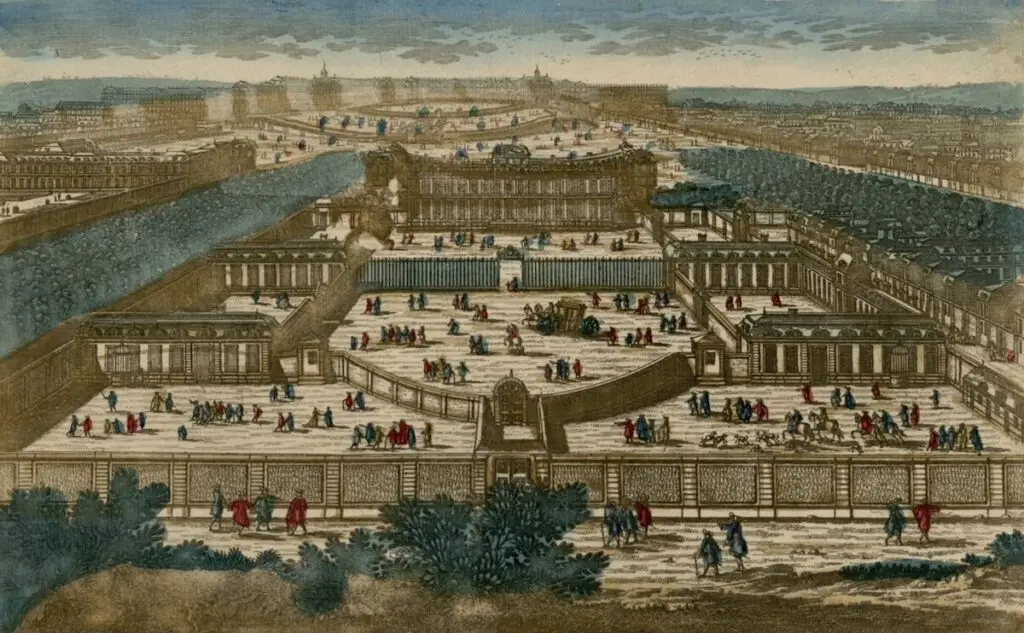
When his son Louis XIV inherited the throne, he had much grander ideas! He transformed this simple structure into one of the world’s most magnificent palaces—a project that took over 50 years and thousands of workers who built everything by hand without modern machinery.
Imagine building something that took longer to make than your parents have been alive! Nonstop building! That’s twice as long as the Great Pyramid of Giza (which took around 20 years to build).
2. The Magical Hall of Mirrors
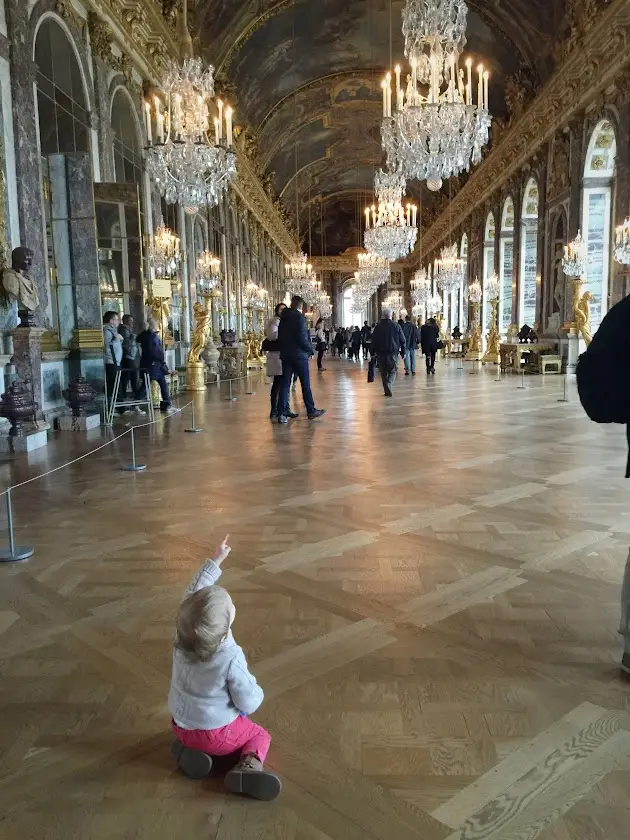
The most dazzling room in the entire palace has just got to be the Hall of Mirrors with its breathtaking 357 mirrors lining the walls. But did you know those mirrors aren’t just beautiful—they also have a secret spy story behind them?
In the 1600s, only the Venetians (in Italy) knew how to make really good mirrors. It was their biggest secret, and they guarded it like treasure. If a glassmaker tried to leave Venice with the recipe, they could be thrown in prison—or worse.
King Louis XIV wanted the best mirrors for his palace. So, in a daring move, French officials bribed a few skilled Venetian glassmakers to leave Italy and bring the mirror-making “recipe” to France.
It was risky—if the glassmakers were caught leaving, they could have faced serious punishment from the Venetian government. But they made it to France, and the result was the incredible Hall of Mirrors we see today.
Here’s the craziest part: back then, mirrors were more valuable than gold. Most people had never even seen their own reflection clearly before stepping into this room. Imagine that—walking into the Hall of Mirrors and seeing yourself for the very first time!
3. Gardens the Size of 800 Soccer Fields
“How big are the gardens, maman?”
My answer always gets wide eyes: they cover about 2,000 acres—the equivalent of roughly 800 soccer fields side by side!
Designed by André Le Nôtre, these perfectly symmetrical gardens feature meticulously trimmed hedges and magnificent fountains. With over 200,000 trees and more than 210,000 flowers planted every year, it’s a paradise for nature-loving little ones.
Fun fact for your kids: King Louis XIV was so particular about his gardens that he wrote a guidebook telling visitors exactly which route to take for the perfect experience!
4. Europe’s First Royal Zoo
My eldest daughter came home from elementary school one day to tell me that King Louis XIV had his very own zoo at Versailles—one of Europe’s first! I googled and found that she was right!
Established in 1664, the royal menagerie wasn’t just any ol’ zoo; it was designed to showcase the king’s power through his collection of exotic creatures.
The menagerie had a clever design with a central pavilion surrounded by seven pie-shaped courtyards, each housing different animals. Visitors could see elephants, lions, tigers, camels, rare birds, and some of the first kangaroos in Europe—all from one central viewing spot, accessible without entering any of the enclosures.
The star attraction of the collection was a live elephant!
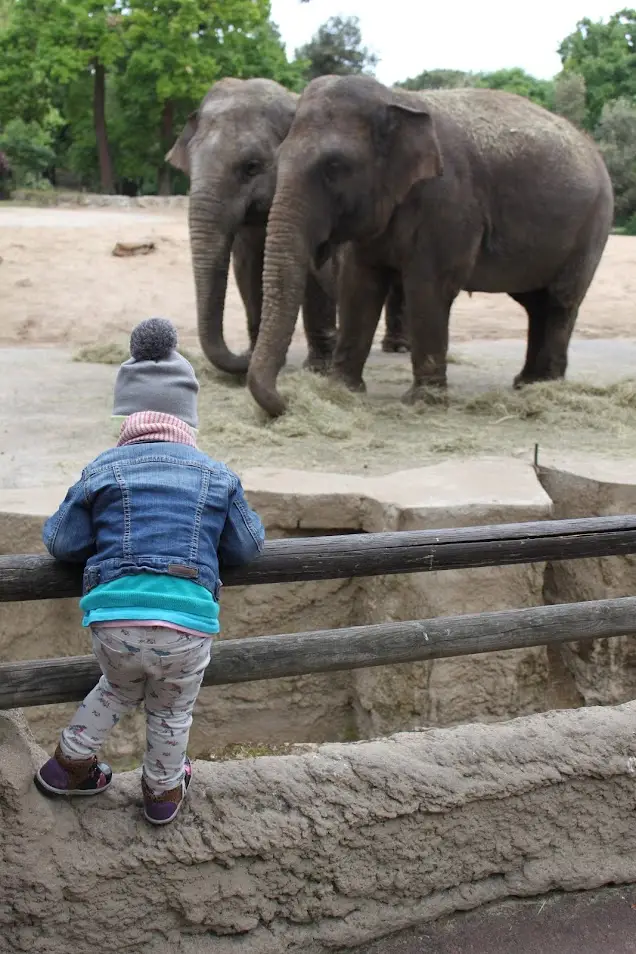
Gifted to King Louis XIV from King Afonso VI of Portugal This wasn’t just a diplomatic gesture—it was a statement of wealth, exotic connections, and royal power. (There’s that word again, POWER.) Imagine in a world where cameras hadn’t yet been invented. Exotic animals were rare and completely mesmerizing, and nothing stirred curiosity quite like an elephant.
The zoo remained active until the French Revolution, when many animals were relocated to what would become the Jardin des Plantes in Paris—a zoo my family still loves visiting today!
5. Royal Chocolate Breakfasts
My youngest daughter, Charlotte, is an unapologetic chocoholic—especially when it comes to pain au chocolat in the morning. So when she grumbles on “boring” oatmeal day, I gently remind her that even King Louis XIV didn’t get to enjoy chocolate every day!
Unlike our sweet modern treats, the royal chocolate was quite different—flavored with exotic spices and sometimes containing ambergris or musk. Here’s my link to the King’s Famous Recipe. The royal children would occasionally receive small cups of chocolate (usually diluted with milk) as a special treat, along with chocolate-flavored biscuits imported from Spain.
By Marie Antoinette’s time, chocolate had evolved to include solid confections. She even had her own chocolate maker who created elaborate molded chocolate figures for special occasions—much to the delight of the royal children!

6. The Educational Garden Maze
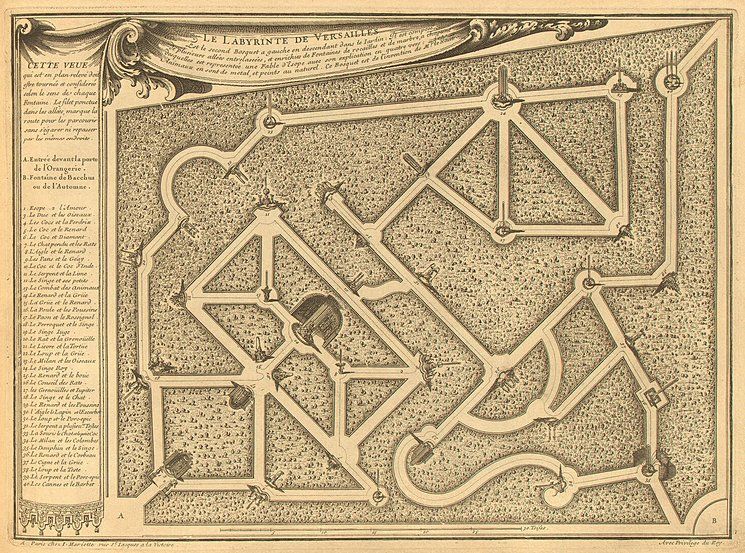
One of my favorite Versailles stories to share with children involves a special maze created between 1672 and 1677. André Le Nôtre (the garden designer) and Charles Perrault (yes, the same man who wrote “Cinderella” and “Sleeping Beauty” – number 6 on the list!) collaborated to create an educational labyrinth specifically for Louis XIV’s young son.
Unlike typical mazes designed to confuse visitors, this labyrinth contained 39 fountains, each depicting a scene from Aesop’s Fables with animal statues that appeared to speak through clever water tricks! Small plaques displayed the fable in verse form, allowing children to learn moral lessons while navigating the paths.
Spanning nearly 8 acres with pathways lined by precisely trimmed trees forming walls about 2 meters high—the perfect height for children to navigate without adults seeing over the top—it must have felt like a magical adventure.
Unfortunately the labyrinth was destroyed and sadly replaced with a more natural English-style garden in 1778 that were becoming fashionable at the time.
Although nothing remains of the original Versailles labyrinth, I like to imagine what it must have been like to wander through this enchanted space.
7. Secret Passages for Royal Escapes
What child doesn’t love the idea of secret passageways? The palace is filled with hidden doorways and concealed routes that kings and queens used to move about undetected.
One of the most famous examples is in Queen Marie Antoinette‘s bedroom, where she had a secret door allowing her to escape when she needed privacy or a quick getaway from court pressures. On your visit, challenge your kids to spot the hidden doors—they blend seamlessly with the wall decorations!

8. Marie Antoinette’s Pretend Farm Village
When my children need to burn off energy after touring the main palace, we head to Marie Antoinette’s Hamlet—a charming mini-village she commissioned in 1783. This collection of cottages resembles a Norman village, complete with a working dairy, farmhouse, mill, and gardens.
You can get tickets here to Marie Antoinette’s Estate and Trianon. These are tickets are only 12 Euros, and come in addition to the Palace of Versailles tickets. However, if you wanted to, you could spend a day just exploring here!
Though rustic on the outside, the interiors contained comfortable royal accommodations. The hamlet served multiple purposes: it gave the queen an escape from strict court etiquette, allowed her children to experience country life, and functioned as a working farm supplying fresh produce to the palace kitchens.
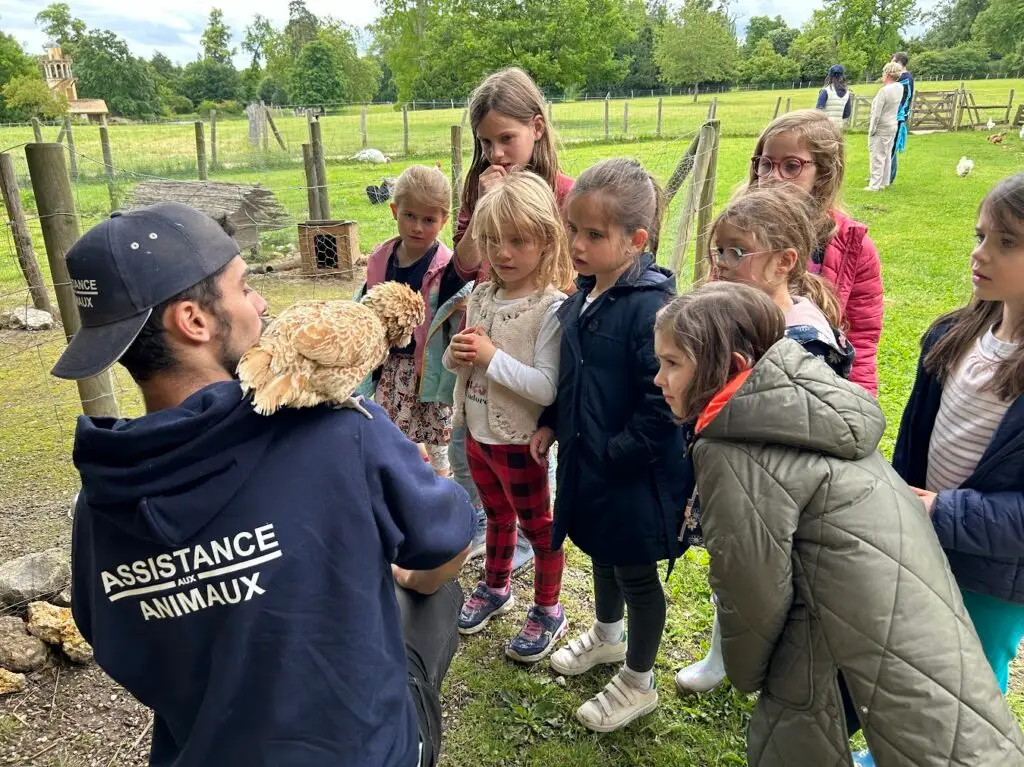
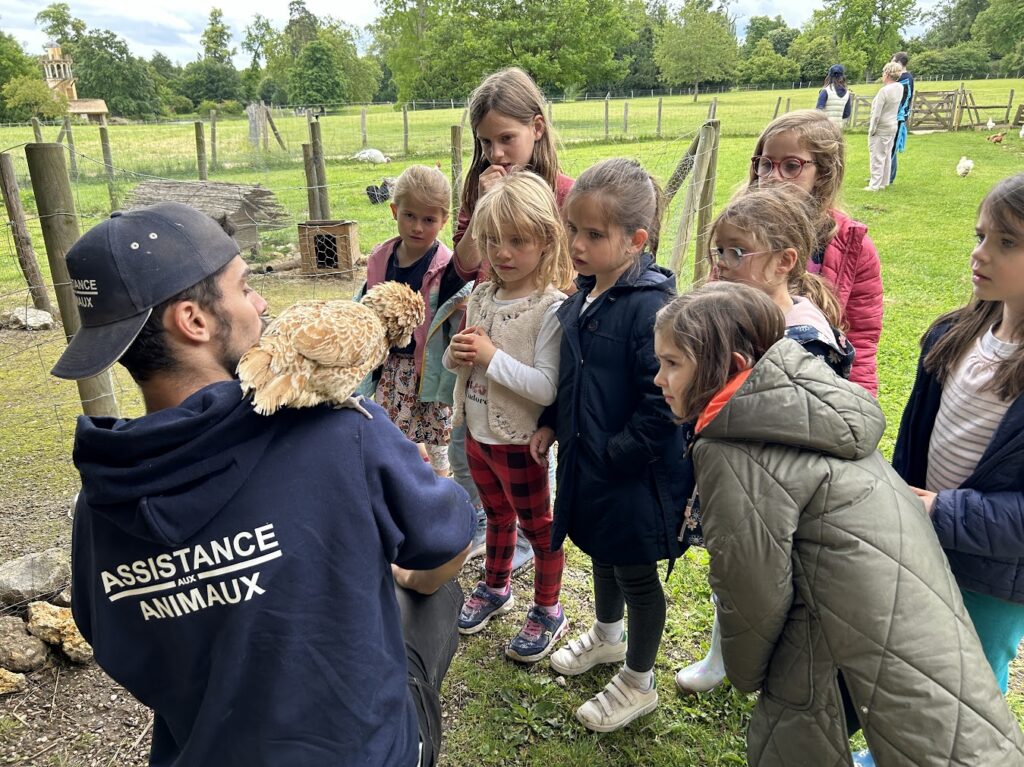
My kids always giggle at the idea of a queen “playing farmer,” but I explain that Marie Antoinette truly valued this simple life away from the pressures of the court. The farm contained rare breeds of sheep, goats, dairy cows from Switzerland, and chickens that produced eggs for the royal breakfast table—a fascinating glimpse into royal family life that children can relate to.
9. Spectacular Fountain Shows
“When will the fountains turn on?” is perhaps the most common question my children ask during our visits. With 50 fountains throughout the gardens—each telling its own story through mythical gods or playful animals—they’re always hoping to catch the water displays.
I think the most magnificent is Apollo’s Chariot, showing the sun god rising from the water in a golden chariot pulled by mighty sea horses.
You can watch the Musical Fountains Show:
- Every Saturday and Sunday from April 5 to October 26, 2025.
- Every Tuesday from May 6 to June 24 2025.
- Friday April 18, Monday April 21, Thursday May 8, Thursday May 29, Monday June 9, Monday July 14 and Friday August 15.
Check the schedule on the castle website before your visit, as the fountain shows only run on specific days. It’s absolutely worth planning your trip around these dates—the extra admission fee for the fountain shows is money well spent for the wonder in your children’s eyes!
10. The World’s Most Extravagant Parties
The kings and queens of Versailles threw parties that would put today’s most lavish celebrations to shame! Louis XIV, who was apparently an excellent dancer, performed in ballet productions right in the palace gardens. These spectacular shows included elaborate stage machinery that could make performers appear to fly or emerge from underwater.
One famous celebration, “The Pleasures of the Enchanted Island” in 1664, lasted an entire week with ballet performances, theatrical plays, elaborate feasts, and tournaments where nobles dressed as knights. During summer evenings, thousands of lanterns and candles would illuminate the gardens, with musicians hidden in the shrubbery playing soft music as guests wandered the glowing pathways.
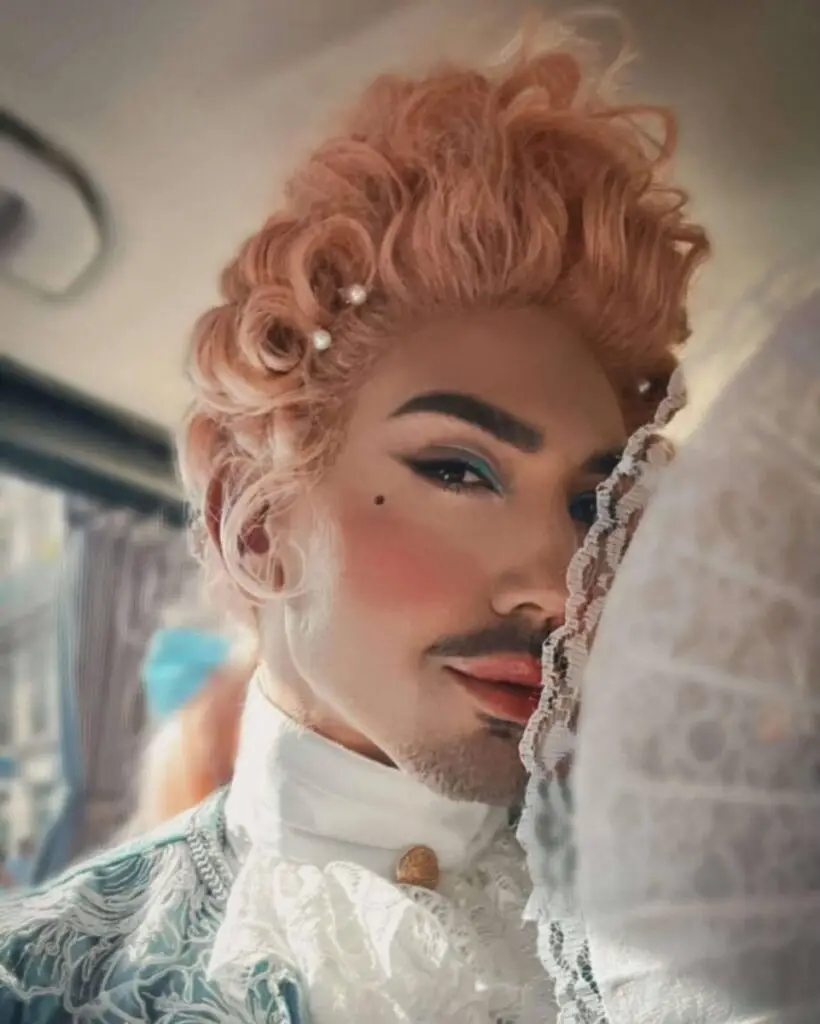
Masked balls were some of the most magical events at Versailles. Guests wore elaborate disguises—feathered masks, glittering capes, powdered wigs—and danced beneath candlelit chandeliers, sometimes without even knowing whom they were dancing with. These mysterious evenings weren’t just for fun—they were also where royals and nobles shared secrets, plotted alliances, and yes, even fell in love. It’s said that more than one royal romance began behind a mask at Versailles!
The Grand Masked Ball of Versailles is an even that happens even to this day, in June of each year. Read about it here.
I love asking my children to imagine what kind of party they’d throw if they were king or queen for a day. Would it be a garden ballet, a chocolate feast, or maybe a glittering masked ball full of mystery and music?
Why Visit Versailles With Your Kids?
It’s no surprise that every year, millions of people—children and adults alike—flock to Versailles to experience its beauty firsthand. While the palace itself is breathtaking, it’s these stories and smaller details that truly bring history to life for young visitors.
As someone raising children just minutes from these historic grounds, I’ve found that sharing these fun facts transforms what could be an overwhelming experience into a magical adventure through time. Keep these tidbits handy on your phone during your next visit, and watch your children’s eyes light up as they connect with the real people who once called this magnificent place home.
Parent Tip: If you’re planning a visit, be sure to check out my detailed guides on the best family-friendly routes through the palace, where to find kid-friendly food options, and the best times to avoid the crowds. Your Versailles adventure awaits!