
When exploring the relationship between Louis XIV and the city of Versailles, you’ll see that the connection is more than bricks and marble—it’s a deliberate, theatrical expression of power, taste, and governance. Louis XIV transformed a hunting lodge into a monumental court that rewrote what a royal residence could be.
The palace became a stage for ritual, an engine of cultural patronage, and finally a public museum and international symbol. For visitors and history lovers, understanding that transformation turns a tour of Versailles into a journey through politics, art, and daily life under the so-called Sun King.
The Origins: Why Louis XIV Chose Versailles
Versailles began as a modest hunting pavilion. In 1623, Louis XIII built a small lodge on the site, but it was his son, Louis XIV, who saw Versailles as something far greater. In the 1660s, as France consolidated power and the royal household swelled, the king set an ambitious plan in motion: to create a palace that would embody absolute monarchy.
Architects, Artists, and the Royal Team
Louis XIV surrounded himself with leading talents to realize this vision. The key collaborators included:
- Louis Le Vau (architect) — responsible for early expansions and the palace’s formal layout.
- Jules Hardouin-Mansart (architect) — later architect-in-chief who completed major wings and the iconic Hall of Mirrors.
- André Le Nôtre (landscape architect) — designer of the grand gardens and axial vistas that extend the palace into the landscape.
- Charles Le Brun (painter and decorator) — led interior decoration, particularly the ceiling programs and sculptural ensembles celebrating royal achievements.
Their combined talents created a unified program where architecture, sculpture, painting, and gardens worked together to project a narrative: the glory of the monarch and the state.
Palace Architecture and the Art of Image
Versailles is best understood as a political instrument ornamented with spectacular art. The palace’s layout, decorations, and daily ceremonies all reinforced Louis XIV’s message of centralized power.
The Hall of Mirrors and Public Pageantry
The Galerie des Glaces — the Hall of Mirrors — remains Versailles’ most famous room. Stretching along the garden front, its mirrored arches reflect the sunlight streaming in through tall windows, creating a dazzling effect aligned with the Sun King’s chosen emblem. The Hall of Mirrors was the setting for state receptions, diplomatic ceremonies, and royal processions. It later hosted the signing of the Treaty of Versailles in 1919, a dramatic use of the space that repurposed the hall’s symbolism for 20th-century diplomacy.
“The grandeur of the palace, in which all the arts are united, has given a new character to the whole of France.” — A contemporary reflection on Versailles’ role in national identity.
Private and Public Spaces: Court Ritual as Control
Louis XIV staged daily life at court as a form of governance. The layout of Versailles separated intimate royal apartments from formal reception rooms, but the king intentionally blurred private and public life. Rituals like the lever (morning rising ceremony) and coucher (evening retiring ceremony) were theatrical rituals where favored courtiers gained access and influence. Etiquette became a currency; proximity to the monarch translated into political advantage.
Gardens, Waterworks, and the Illusion of Control
Le Nôtre’s gardens transformed the surrounding land into a precise, geometrically ordered landscape that echoed France’s centralizing political project. The grand axis, terraces, parterres, and sculpted groves presented nature as disciplined and harmonious under royal command.
Fountains, Machine Power, and Cost
Versailles’ fountains were feats of hydraulic engineering. Water to feed dozens of fountains was scarce on the plateau of Versailles, so massive pumping systems and networks had to be built, including the ambitious (but financially and technically problematic) Machine de Marly. These engineering projects were expensive, a reminder that towering displays of royal magnificence required substantial resources.
Art, Culture, and the Sun King’s Legacy
Louis XIV wasn’t just a political innovator; he was a cultural impresario. The palace functioned as a center for music, dance, theater, and visual arts. The king’s interest in ballet and his patronage of composers and playwrights helped define classical French taste for generations.
Academies and State Patronage
Under Louis XIV, institutions such as the Académie Royale de Peinture et de Sculpture and the Royal Opera benefited from royal patronage. The king used state support of the arts to codify aesthetic standards and to broadcast French cultural leadership across Europe. Architects, painters, and sculptors who worked at Versailles often saw their work copied by other courts, making Versailles a trendsetter in European taste and fashion.
Daily Life at Court: Ceremony, Intrigue, and Survival
Court life at Versailles combined glamour with relentless social strategy. Court nobles lived at the palace for months or years to maintain favor, but that proximity came with obligations and constraints that could be stifling.
Housing, Finances, and Nobility
While some nobles found careers in military and administrative roles, others relied on court pensions or royal gifts. The monarchy’s centralization meant nobles who once wielded regional power now had to navigate the etiquette and patronage systems at Versailles to secure their positions.
Women at Court
Women played critical roles in court culture and influence. Queens, mistresses, and noblewomen could impact fashion, salon culture, and political networks. Figures like Madame de Montespan and Madame de Maintenon shaped life at Versailles through personal influence and patronage.
Political and Economic Consequences
Building and maintaining Versailles was enormously expensive. Royal expenditures on the palace and its ceremonial life contributed to fiscal strain that, centuries later, historians cite among the many causes of social tensions culminating in the French Revolution.
- Centralization: Versailles embodied the concentration of administrative and political functions near the king, reducing regional autonomy.
- Fiscal strain: The costs of grand building projects and court life diverted funds from other state needs and raised questions about economic priorities.
- Soft power: France’s cultural dominance, exported through Versailles, helped shape European diplomacy and taste.
Versailles After Louis XIV
After the Sun King’s death in 1715, Versailles remained a royal residence but gradually changed. The court shifted to other palaces at times, and the Revolution in 1789 marked a dramatic break: the royal family was forced to leave Versailles and the palace’s function as a royal seat ended.
In the 19th century, restoration and reuse began. Under Louis-Philippe, Versailles was transformed into a museum dedicated “to all the glories of France.” Over time, the palace became a national monument and tourist destination. Conservation and restoration efforts continue to this day, preserving both the fabric and the stories within the walls.
Visiting Today: Practical Tips and Highlights
For contemporary visitors, Versailles offers layers of experience: architectural masterpieces, garden walks, and immersive guided events. Versailles Insights provides curated resources that help visitors turn a standard visit into a more meaningful experience, whether that means booking a guided Masked Ball experience, a thematic tour, or receiving tailored travel advice.
Must-See Highlights
- The Hall of Mirrors: A centerpiece of opulence and history. Plan time for photos and reflection on its historical uses.
- The King’s Grand Apartments: Lavishly decorated rooms that present court ceremony and royal display.
- The Queen’s Hamlet: Marie Antoinette’s pastoral retreat—an intimate contrast to Versailles’ formal spaces.
- The Gardens and the Grand Canal: Best experienced on foot or by renting a small rowboat on the canal during warmer months.
- Fountains Shows and Musical Gardens: Seasonal programs bring Le Nôtre’s designs to life with music and water choreography.
Tickets, Access, and Timing
Tickets to Versailles can be purchased for the palace alone, the gardens, or combined tickets. For popular times—weekends and public holidays—advance booking is strongly advisable. Versailles Insights recommends reserving tickets for the Hall of Mirrors and guided tours well in advance and arriving early to avoid the thickest crowds.
- Best time to visit: Weekdays during off-peak months (late fall to early spring) to avoid crowds.
- Time needed: A full tour of the palace, gardens, and Trianon estate can take 4–6 hours; an immersive visit may occupy an entire day.
- Accessibility: The palace and grounds have varying levels of accessibility—verify routes and services in advance. Versailles Insights offers accessible route recommendations.
The Masked Ball and Special Events
One modern attraction that nods to courtly spectacle is the Masked Ball—an evening event inspired by 17th- and 18th-century fêtes. These events often pair music, dancing, period costumes, and the unique setting of Versailles to create a theatrical experience. Versailles Insights curates event calendars and offers practical resources for those interested in attending or organizing visits connected to these themed nights.
Attending a Masked Ball: Etiquette and Tips
Attending a Masked Ball at Versailles is part costume party, part formal event. A few tips help attendees enjoy the evening like a guest at court:
- Dress code: Period-inspired attire is encouraged but not always mandatory; check event details. Masks are often required for certain areas or performances.
- Tickets: These events sell out quickly—advance booking is essential.
- Arrive early: Early arrival allows time for cloakroom service, costume adjustments, and orientation in the palace’s complex layout.
- Behavior: While playful, the event maintains a certain decorum—respect for the site and other guests is paramount.
Versailles Insights can assist with costume rental options, recommended tailors, and tips on mask comfort and safety. Their event guides often include sample packing lists and suggestions for pre-event dining.
Sample Itineraries for Different Visitors
Whether visiting for the first time, returning for a themed event, or traveling with family, an itinerary helps maximize experience without rushing.
One-Day Classic Visit
- Morning: Arrive early, tour the palace’s Grand Apartments and Hall of Mirrors.
- Midday: Lunch at a nearby bistro or at La Petite Venise on the grounds.
- Afternoon: Stroll the gardens and visit the Grand Trianon and Petit Trianon.
- Late afternoon: Rent a boat on the Grand Canal or explore the Queen’s Hamlet.
Half-Day for a Focused Visit
- Morning: Palace highlights (Hall of Mirrors and King’s Apartments).
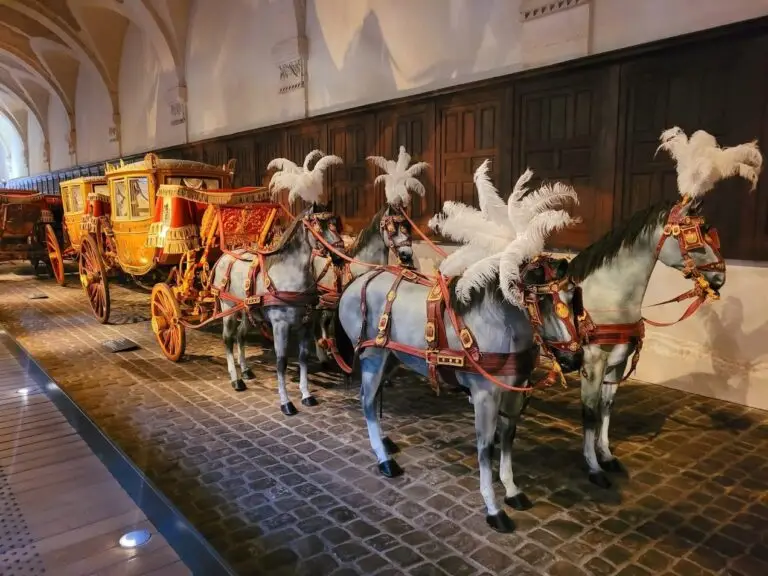
- Late morning: Quick garden walk or the Gallery of Coaches for a different focus.
Evening: Masked Ball or Special Event
- Late afternoon: Return to the hotel to change and prepare.
- Evening: Attend the Masked Ball—plan transport and cloakroom logistics in advance.
Dining, Lodging, and Local Recommendations
While the palace houses cafes and restaurants, the town of Versailles offers charming options for meals and overnight stays. Versailles Insights curates a selection of recommended hotels—ranging from historic guesthouses near the palace to contemporary boutique hotels—and family-friendly restaurants that suit different budgets and tastes.
- Family dining: Look for bistros offering local fare and menus adapted for children near Place d’Armes.
- Romantic stays: Several small luxury hotels occupy historical buildings and provide packages for evening events.
- Quick bites: Bakery options and market stalls near the palace are convenient for picnics in the gardens.
Conservation, Restoration, and the Ethics of Tourism
Ongoing conservation work seeks to preserve Versailles’ physical fabric and its collections. Restoration projects often require temporary closures of sections, and visitors are asked to respect restrictions. Sustainable tourism practices—like limiting noise, avoiding forbidden areas, and adhering to event guidelines—help protect the site for future generations.
Versailles Insights highlights conservation projects and suggests ways visitors can support preservation, including museum memberships, donations, or participating in guided tours that contribute to conservation funding.
Legacy: How Versailles Still Matters
Louis XIV’s Versailles shaped more than French architecture; it influenced European politics, court culture, and aesthetics for centuries. The palace’s design and ceremonial life offered a model for rulers who wanted to translate power into a visible, consumable spectacle.
Modern visitors encounter multiple layers of meaning: the artistry of the spaces, the human stories of ambition and survival, and the long-term consequences of concentrated power. The palace’s later reuse—as a museum, diplomatic stage, and public site—adds contemporary chapters to its story.
Practical Advice from Versailles Insights
Versailles Insights offers several practical recommendations to enhance any visit:
- Book premium guided tours to gain insight into the symbolism and hidden stories that self-guided visits can miss.
- Time visits around fountain schedules (when available) to witness the gardens’ theatricality at its best.
- Consider themed experiences like costume events or specialist tours that align with specific interests—music, military history, or garden design.
- Use local guides for niche topics: family-friendly tours, accessible routes, or art-historical deep dives.
Conclusion
The relationship of Louis XIV and Versailles remains one of history’s clearest demonstrations of how architecture and ritual can serve statecraft. Visitors today stand where courtiers once jockeyed for favor, where artists created national style, and where watercourses and parterres translated political ideals into landscape. With careful planning and knowledgeable guides—such as those provided by Versailles Insights—modern visitors can experience the palace not just as a collection of rooms and statues, but as a living narrative about power, culture, and the human desire to be remembered.
Frequently Asked Questions
When did Louis XIV move the court to Versailles?
Louis XIV began extensive building work at Versailles in the 1660s and formally moved the court and government there in 1682. The move centralized royal power and made Versailles the heart of French political life for much of the late 17th and 18th centuries.
What should visitors prioritize when they have limited time?
With limited time, visitors should prioritize the Hall of Mirrors and the King’s Grand Apartments for interior highlights, then choose either a focused garden walk or a visit to the Trianon estate. Booking a timed-entry ticket and joining a short guided tour will maximize a brief visit.
Are Masked Ball events historical reenactments?
Masked Balls at Versailles are modern events inspired by historical court festivities. They combine music, dance, and costume to evoke the spirit of period fêtes, though they are adapted for contemporary safety, logistics, and audience expectations. Attendees should check event details for specific dress codes and rules.
Is Versailles suitable for families with children?
Yes. The gardens offer wide-open spaces for children to explore, and some tours are tailored to families with interactive elements. Versailles Insights provides family-focused guides and suggestions for keeping children engaged during visits.
How can visitors support preservation efforts at Versailles?
Visitors can support conservation by purchasing official tickets, joining membership programs, donating to restoration funds, and following site rules to minimize wear on historic features. Guided tours and official events often contribute directly to preservation funding.