
France isn’t a country you “do” once and cross off a list. It’s a country you return to — because every city offers a completely different rhythm, flavor, and sense of history. I know, I came on vacation and I’ve stayed here 10 years and still haven’t seen everything! From grand Parisian boulevards to Provençal markets, Atlantic ports, wine towns, and alpine lakes, the best French cities to visit span centuries of culture and wildly varied landscapes.
This guide is designed to help you decide where to go — and why. Whether you’re planning your very first trip to France, traveling with kids and fitting in a Versailles detour, or mapping out a multi-city itinerary focused on food, history, and scenery, these cities consistently reward visitors who slow down just enough to really see them.
How to Use This Guide
Rather than ranking cities in a rigid “best of” order, this list groups destinations by the kind of experience they offer: iconic must-sees, coastal cities, food and wine hubs, and smaller gems that shine as quieter bases or scenic stops.
For each city, you’ll find:
Why it’s worth visiting
What to prioritize seeing
Where food lovers should focus
Practical travel tips
The best time to go
You’ll also find suggested itineraries and realistic travel combinations, so you can build a trip that feels balanced instead of rushed.
Top Picks: Iconic and Essential Cities
1. Paris — The Timeless Capital
Why go: Paris is often the first city on any “best French cities to visit” list for good reason. Its streets, museums and neighborhoods offer an encyclopedic view of art, fashion and history. Visitors can return many times and still discover new cafés, exhibitions and alleys.
- Must-sees: Musée du Louvre, Musée d’Orsay, Notre-Dame (exterior restoration viewing), Sainte-Chapelle, Montmartre, the Eiffel Tower, Le Marais and the Seine riverbanks.
- Food: Bistros in Saint-Germain for classic French fare, street-side crêpes, and food markets like Marché d’Aligre. For something special, book a modern bistronomy spot in the 11th arrondissement.
- Tips: Buy museum tickets in advance, consider a Paris Museum Pass, and reserve restaurants for dinner. Use the Metro for fast travel; walking captures the city’s charm.
- Best time: Spring (April–June) and fall (September–October) for pleasant weather and fewer crowds than summer.
2. Versailles — Palace, Gardens, and Unique Events
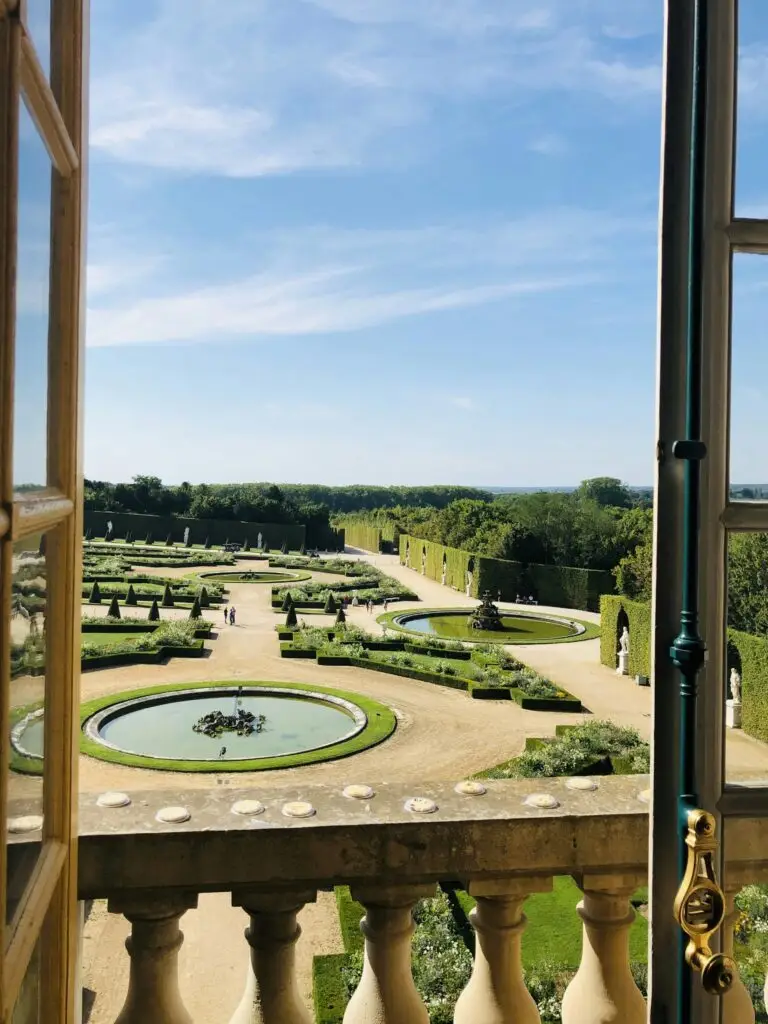
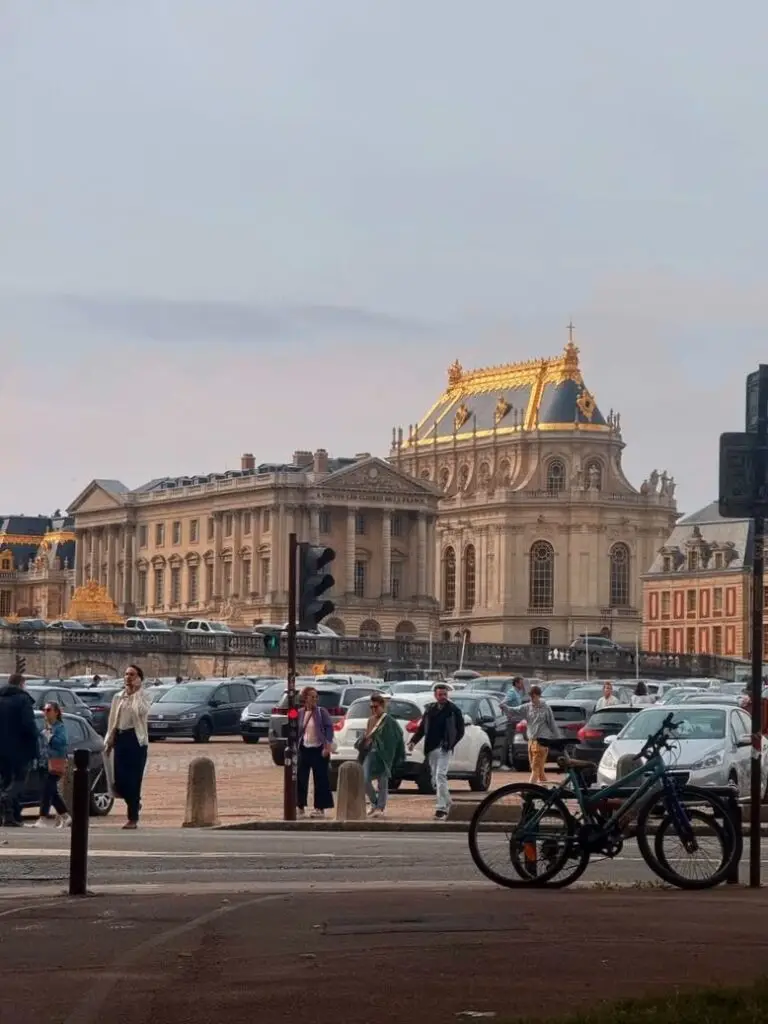
Versailles is not just the palace. It’s an immersive step into royal France, with sprawling gardens, the Grand Trianon and the town itself create a full royal landscape that deserves time.
- Must-sees: Palace of Versailles (Hall of Mirrors), the formal gardens, the Trianon Estates, and Marie-Antoinette’s Hamlet.
- Events and experiences: Versailles hosts musical fountain shows, garden concerts and special themed events.
- Tips: Visit early in the morning or late afternoon to avoid the largest tour groups. Buy timed-entry tickets and consider a guided tour to skip lines and gain historical context.
- Best time: Late spring and early fall, or on days when the musical fountains are scheduled (timed events are often documented well in advance).
3. Lyon — France’s Culinary Capital
Why go: Lyon’s pretty riverside neighborhoods, Renaissance Vieux Lyon and hilltop basilica are famous, but food lovers come for the bouchons — small, hearty restaurants serving Lyonnaise specialties.
- Must-sees: Vieux Lyon, Fourvière Basilica, Parc de la Tête d’Or, and the traboules (hidden passageways).
- Food: Try quenelles, saucisson, and Lyon’s famous charcuterie. For market day, stroll Les Halles de Lyon Paul Bocuse.
- Tips: Lyon is walkable; use it as a food-focused hub while exploring nearby Beaujolais wine country and Roman ruins.
- Best time: Spring through fall when outdoor dining and markets shine.
4. Nice — The Gateway to the French Riviera
Why go: Nice blends pebbled beaches, blue water views and a relaxed Provençal vibe. It’s an ideal base for exploring the Côte d’Azur — including Monaco, Antibes and coastal train rides that are scenic in themselves.
- Must-sees: Promenade des Anglais, old town (Vieux Nice), Castle Hill park for views, and the Matisse Museum.
- Food: Try socca (chickpea pancake), salade niçoise, and outdoor markets like Cours Saleya.
- Tips: Take regional trains up and down the coast. Beware peak summer crowds; consider shoulder seasons for milder weather and more manageable prices.
- Best time: May–June and September–October for beachable weather without July/August crowds.
5. Bordeaux — Wine Country and Elegant Architecture
Why go: Bordeaux combines UNESCO-listed classical architecture with world-famous vineyards. It’s perfect for travelers who want urban charm plus easy access to wine tours.
- Must-sees: Place de la Bourse, the Cité du Vin museum, and riverside walks. Day trips to Médoc, Saint-Émilion and Pessac-Léognan are easy and rewarding.
- Food: Fresh oysters from the nearby Arcachon Bay, canelé pastries, and classic southwestern French cuisine.
- Tips: Rent bikes for the smooth bike lanes along the river and explore vineyards by car or organized tours.
- Best time: Late spring and autumn grape-harvest time (vendange) for vineyard activity and lower hotel rates than mid-summer.
Coastal and Southern Charms
6. Marseille — A Gritty, Authentic Port City
Why go: Marseille’s Mediterranean port life, historic Panier district and multicultural markets give it a raw, authentic energy. It’s a different kind of French experience — less polished, more robust.
- Must-sees: Old Port (Vieux-Port), Le Panier, MuCEM (Museum of European and Mediterranean Civilizations), and boat trips to the Calanques for dramatic limestone cliffs and turquoise coves.
- Food: Bouillabaisse (try it at a reputable spot), seafood stalls, and North African-influenced cuisine in neighborhood eateries.
- Tips: Use Marseille as a base for coastal hikes; local ferries also connect to Frioul Islands and Château d’If.
7. Montpellier — Student Energy and Sunny Squares
Why go: Montpellier is lively, youthful and compact — with a medieval center and modern architecture. It’s a great stop for travelers who like to mix cultural sites with a vibrant street life.
- Must-sees: Place de la Comédie, Musée Fabre, and the Promenade du Peyrou.
- Food & drink: Mediterranean seafood, local wines, and buzzing cafés.
- Tips: Montpellier’s tram network and pedestrian-friendly center make it easy to explore on foot.
8. Nantes — Creative Culture on the Loire
Why go: Nantes has a strong cultural identity, with innovative attractions like the Machines of the Isle of Nantes — mechanical creatures inspired by Jules Verne. It’s an inventive, less-touristed city with a Loire Valley feel.
- Must-sees: Château des Ducs de Bretagne, the Machines, and riverside walks.
- Food: Fresh seafood and farm-to-table Loire Valley produce.
- Tips: Combine Nantes with Loire Valley châteaux day trips for an elegant itinerary.
Wine, Food and Regional Favorites
9. Dijon — Burgundy’s Gastronomic Heart
Why go: Dijon is charming, walkable and steeped in Burgundian culinary tradition. It’s a great pick for mustard, wine and hearty regional dishes, plus it’s an easy gateway to Burgundy’s vineyards.
- Must-sees: Palais des Ducs, the Owl’s Trail (a self-guided city walk), and nearby wine villages like Beaune.
- Food: Coq au vin, boeuf bourguignon, and — of course — mustard tastings.
- Tips: Rent a car for countryside wine touring or book guided tastings through local producers.
10. Strasbourg — A Blend of French and Germanic Influences
Why go: Strasbourg’s half-timbered houses and canals at La Petite France look like a fairytale. It’s also the heart of Alsatian cuisine and holiday markets that are among Europe’s best.
- Must-sees: Strasbourg Cathedral, La Petite France, and the European Quarter.
- Food: Tarte flambée (flammekueche), choucroute garnie, and Alsatian wines.
- Tips: The city’s compact center is perfect for walking or biking. Visit in December for world-class Christmas markets.
11. Toulouse — The Pink City
Why go: Toulouse gets its nickname from the warm terracotta bricks that color its architecture. It’s lively, with aerospace heritage, student energy and culinary traditions tied to southwest France.
- Must-sees: Place du Capitole, Basilique Saint-Sernin, and the Cité de l’Espace (for families and science lovers).
- Food: Cassoulet and dishes featuring duck confit. Try local markets for charcuterie.
- Tips: Toulouse is a good jumping-off point for visits to the Pyrenees and nearby Cathar castles.
Smaller Gems and Scenic Towns
12. Annecy — Alpine Lakeside Beauty
Why go: Annecy offers crystal-clear lake views backed by snow-capped peaks, a medieval old town and relaxed outdoor life. It’s a favorite for families and nature lovers.
- Must-sees: Lake Annecy, Palais de l’Isle, and the old town canals.
- Activities: Paddleboarding, cycling around the lake, or a scenic picnic with local cheeses.
- Tips: Visit in summer for water sports or winter for a quieter alpine vibe and nearby ski resorts.
13. Aix-en-Provence — Provençal Elegance
Why go: Aix is known for fountains, elegant streets and an artistic heritage (Cézanne’s studio is nearby). It’s quintessential Provence without the bustle of the Riviera.
- Must-sees: Cours Mirabeau, Cézanne’s atelier, and local markets.
- Food: Tapenade, lavender-infused treats and fresh produce from Provence.
- Tips: Combine Aix with day trips to Luberon villages or Marseille for a coastal day out.
14. Lille — Northern France With a Flemish Twist
Why go: Lille mixes French flair with Flemish architecture, excellent shopping and strong café culture. It’s a lively, often overlooked urban stop that’s close to Belgium and the UK.
- Must-sees: Grand Place, Palais des Beaux-Arts and Wazemmes market.
- Tips: Excellent rail connections make Lille an easy short-stay city or a stop on a northern France circuit.
15. Saint-Malo — Walled City on Brittany’s Coast
Why go: Saint-Malo has rugged coastal beauty, tidal beaches and a fascinating pirate history. Its walled center invites strolling and sunset views over the Channel.
- Must-sees: Walk the ramparts, visit the old town, and take a ferry to the nearby Îles or Mont Saint-Michel.
- Food: Fresh seafood, crêpes and Breton butter-based pastries.
- Tips: Watch tidal schedules if planning beach walks or excursions to tidal islands.
Travel Logistics: Getting Around France
France’s transport network is efficient and tourist-friendly, but a few local tips make travel smoother.
- Trains: The TGV connects major cities like Paris, Lyon, Bordeaux, Marseille and Nice quickly. Book long-distance trains early for the best fares. Regional trains (TER) serve smaller towns.
- Budget long-distance options: Ouigo and Intercités offer cheaper fares if booked in advance.
- Driving: Renting a car is ideal for wine regions, Provence and rural areas. Big cities have parking constraints and toll roads can add up.
- Air travel: Domestic flights are useful for long cross-country jumps (e.g., Paris to Nice) but trains often save time when factoring in airport procedures.
- Local transit: Cities generally have good public transit — metros in Paris and Lyon, trams in Montpellier and Nantes, and efficient bus networks elsewhere.
Seasonal Advice: When to Visit Each City
Choosing when to travel helps tailor the experience:
- Spring (April–June): Blossoming parks, mild weather, fewer crowds — great for Paris, Versailles and Loire Valley.
- Summer (July–August): Best for beaches on the Riviera and lake regions, but be ready for crowds and higher prices — especially in Nice and Bordeaux.
- Fall (September–October): Harvest season in wine regions, comfortable temperatures and beautiful light — ideal for Bordeaux, Burgundy and Alsace.
- Winter (November–March): Perfect for lower prices, Christmas markets in Strasbourg and Lille, and skiing from Annecy or Alpine gateways.
Sample Itineraries Featuring the Best French Cities to Visit
7-Day Classic: Paris + Versailles + Lyon
- Days 1–3: Paris (museums, Seine cruise, Montmartre)
- Day 4: Versailles day trip (Palace, gardens, and if timing lines up, an evening or special event — feel free consult me for any logistics help you might need)
- Days 5–7: Train to Lyon (food tours, Vieux Lyon, day trip to Beaujolais)
10-Day South and Coast: Nice, Aix-en-Provence, Marseille
- Days 1–3: Nice (beaches, old town, coastal train to Antibes)
- Days 4–6: Aix-en-Provence (markets, Cézanne, day trips to Luberon)
- Days 7–10: Marseille and Calanques (boat trip, Panier district, seafood)
14-Day Grand Tour: Paris to Bordeaux to Loire to Alsace
- Days 1–4: Paris and Versailles
- Days 5–7: Loire Valley châteaux (rental car or guided tour)
- Days 8–10: Bordeaux and vineyard tastings
- Days 11–14: Train northeast to Strasbourg and nearby medieval towns
Practical Tips For a Smooth Trip
- Book major attractions in advance: Palace of Versailles, Monet’s garden at Giverny and popular museums fill up, especially in high season.
- Local etiquette: A polite “Bonjour” on entering shops and small businesses goes a long way. Learn a few basic French phrases; locals appreciate the effort.
- Money and tipping: Credit cards are widely accepted; tipping is appreciated but not obligatory — rounding up or leaving 5–10% for excellent service is fine.
- Packing: Comfortable walking shoes, a travel umbrella, and layers for cooler evenings.
- Family travel: Cities like Annecy, Nantes and Toulouse are very family-friendly. Consider shorter train rides and park-heavy days for kids.
Versailles Insights: How Local Expertise Enhances the Visit
For travelers planning a visit to Versailles specifically, local knowledge transforms the trip. Versailles Insights focuses on curated resources: timed-entry tips, best vantage points for photos, nearby dining options that suit families or formal evenings, and practical transport routes from Paris. Those interested in special events — especially the Masked Ball — will find value in tailored guidance about dress codes, mask choices that comply with event rules, and how to arrive without stress.
Food and Drink: Where to Prioritize
Food is a reason to travel in France. Here are regional specialties to try in the best french cities to visit:
- Paris: Pastries (croissants, pain au chocolat), gourmet bistros, and cheese shops.
- Lyon: Bouchon classics and market tastings.
- Bordeaux: Wine pairings and fresh oysters.
- Nice: Socca and Provençal markets.
- Brittany (Saint-Malo): Cider and crêpes.
Safety, Accessibility and Traveler Comfort
France is generally safe for tourists. Like any popular destination, petty theft can happen in crowded spots — keep an eye on belongings on public transit and at tourist sites. For travelers with mobility concerns, many museums and major sites offer accessibility information online; call ahead for detailed assistance when needed.
Stretching the Trip: Day Trips and Side Excursions
From many cities, rewarding day trips extend the itinerary without adding long travel times.
- From Paris/Versailles: Giverny (Monet’s home), Chartres Cathedral, or Champagne region tastings.
- From Nice: Èze, Monaco, and coastal train rides to Menton.
- From Lyon: Beaujolais and Burgundy vineyards.
- From Bordeaux: Saint-Émilion and Arcachon Bay (dune du Pilat).
Making the Most of Limited Time
When time is short, prioritize what type of experience matters most: museums and monuments, culinary discovery, or scenic outdoor time. For example, a 3-day Paris + Versailles trip should include a reserved Palace visit, a Seine evening walk, and a food-focused neighborhood like Le Marais. For wine lovers, a concentrated Bordeaux or Burgundy stay yields deeper tastings than trying to squeeze in multiple regions.
Final Tips and Insider Notes
- Language: Knowing basic greetings and “please/thank you” in French pays off. People respond warmly to efforts in their language.
- Reservations: For restaurants and guided tours (especially in Versailles), book ahead — some experiences only allow limited participants.
- Local markets: Visiting neighborhood markets provides fresh, authentic food experiences and often better prices for picnic supplies than tourist spots. Learn more about the best options at local markets.
- Personalize it: Mix a bustling city like Paris with a tranquil town like Annecy or Aix for variety. Travel at a relaxed pace to truly savor each destination.
Frequently Asked Questions
Which French city should a first-time visitor pick?
Paris is the typical starting point because it offers a broad introduction to French culture, history and cuisine. Pairing it with a day trip to Versailles gives a dramatic contrast between city life and royal grandeur.
How many French cities can one realistically visit in two weeks?
Two weeks allows for about 4–6 cities comfortably, depending on travel style. For a relaxed trip, pick a region (e.g., Paris–Versailles–Loire–Bordeaux) and spend more time in fewer places to savor each one.
Are trains the best way to move between the major cities?
Yes, trains are fast, convenient and often more comfortable than flying for intercity travel in France. The TGV connects most major cities quickly, and regional trains fill in the gaps.
Can families find kid-friendly activities in France’s top cities?
Absolutely. Cities like Paris, Toulouse, Annecy and Nantes offer family-friendly museums, parks and interactive attractions. Look for museums with activity corners and garden spaces where kids can run around between cultural stops.
Lists of the best French cities to visit can look different depending on what a traveler values: art, cuisine, coastline, or countryside. Paris and Versailles remain essential for history and spectacle; Lyon for food; Nice for coastal charm; Bordeaux and Dijon for wine; and smaller towns like Annecy, Aix-en-Provence and Strasbourg add delightful variety. Planning thoughtfully — booking key tickets, pacing travel, and leaning on local expertise like the curated guides from Versailles Insights — turns a good trip into a memorable one. Whether traveling with family, as a couple, or solo, France’s cities offer a tapestry of experiences that reward curiosity and a readiness to explore.